What is Quality Assurance? A Beginner’s Guide
In the ever-evolving world of software development, ensuring that applications meet user expectations and function as intended is paramount. This is where Quality Assurance (QA) comes into play. But what exactly is QA, and why is it so important? In this guide, we’ll explore the basics of Quality Assurance, its role in software development, and why it’s a crucial part of the process.
1. What is Quality Assurance (QA)?
Quality Assurance is a systematic process that ensures a product or service meets specified requirements and quality standards. In the context of software development, QA is about ensuring that the software being built is reliable, functional, and user-friendly.
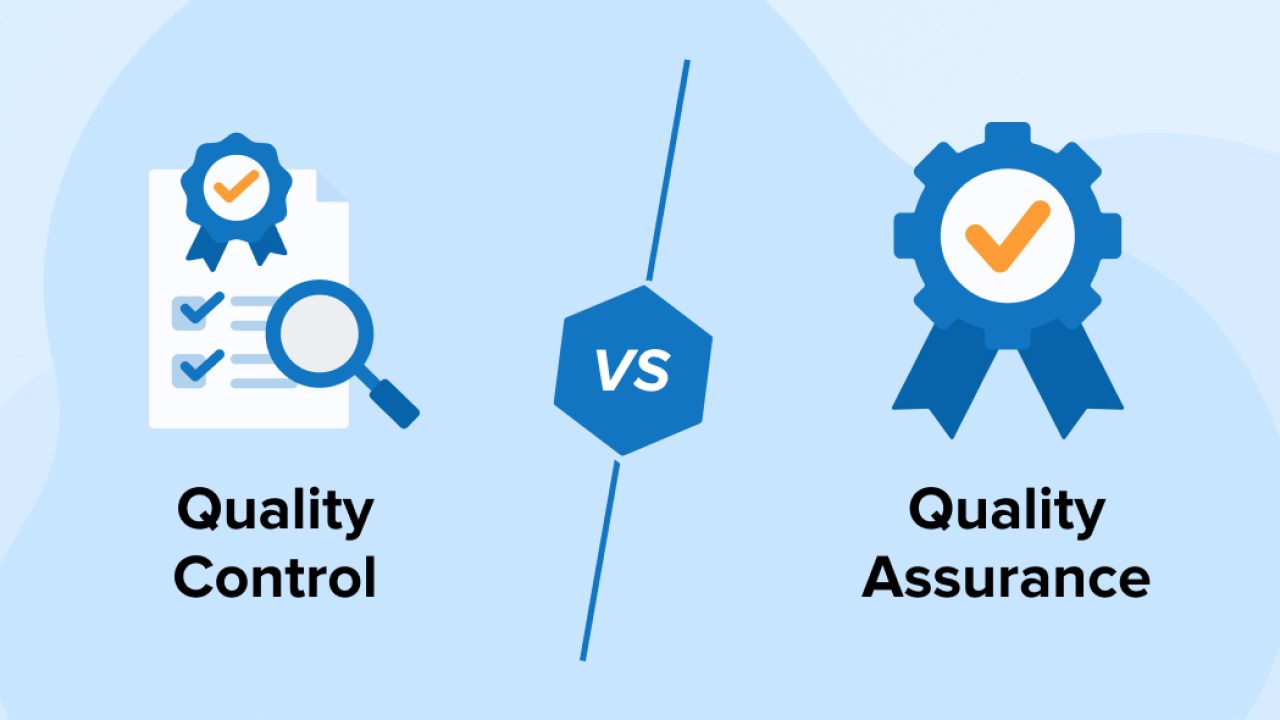
Unlike Quality Control (QC), which focuses on identifying defects in the final product, QA is a proactive process. It aims to prevent defects during the development cycle by implementing best practices, methodologies, and standards.
2. Why is Quality Assurance Important?
Without QA, software projects risk falling short of user expectations, leading to poor reviews, lost revenue, and potential reputational damage. Here are some key reasons why QA is essential:
- User Satisfaction: Ensures that the final product meets user needs and works as expected.
- Cost Efficiency: Identifies issues early, reducing the cost and time required to fix them later.
- Compliance: Ensures the product adheres to industry standards and regulations.
- Continuous Improvement: Provides feedback loops that help improve processes and products over time.
3. QA vs QC: What’s the Difference?
| Aspect | Quality Assurance (QA) | Quality Control (QC) |
|---|---|---|
| Focus | Preventing defects | Detecting and fixing defects |
| When It Happens | Throughout the development process | After the product is developed |
| Approach | Process-oriented | Product-oriented |
| Methods Used | Standards, processes, audits, training | Testing, inspections, reviews |
4. The Role of QA in Software Development
QA plays a pivotal role in the Software Development Life Cycle (SDLC). Its role spans across various stages:
- Requirements Gathering: QA ensures requirements are clear, complete, and testable.
- Planning: Test plans and strategies are created to align with project goals.
- Development: QA works alongside developers to ensure adherence to coding standards.
- Testing: Includes manual and automated testing to validate functionality and performance.
- Release and Maintenance: QA ensures smooth deployment and handles post-release testing.
5. Key Principles of Quality Assurance
To effectively implement QA, certain principles should be followed:
- Customer Focus: Always align QA processes with user expectations and needs.
- Prevention Over Inspection: Prevent defects rather than relying on post-production fixes.
- Process-Driven Approach: Focus on improving the processes that lead to better products.
- Team Collaboration: QA is not just the responsibility of testers; it involves developers, product managers, and other stakeholders.
- Continuous Improvement: Constantly refine processes based on feedback and performance metrics.
6. Types of Testing in QA
Quality Assurance employs various testing types to ensure comprehensive coverage:
- Manual Testing: Performed by testers to find defects without automation.
- Automation Testing: Uses tools like Selenium or TestNG to execute tests faster and repeatedly.
- Functional Testing: Validates the software’s functionality against requirements.
- Performance Testing: Checks the software’s speed, responsiveness, and scalability.
- Security Testing: Ensures the software is safe from vulnerabilities.
7. Tools and Methodologies for QA
To execute QA effectively, professionals use tools and methodologies such as:
- Tools:
- JIRA (Bug Tracking)
- Selenium (Automation)
- TestRail (Test Management)
- Methodologies:
- Agile Testing
- Waterfall Testing
- Shift-Left Testing
8. QA Career: How to Get Started?
Starting a career in QA is exciting and rewarding. If you’re interested, here are a few steps to get started:
- Learn the Basics: Understand testing types, methodologies, and tools.
- Practice: Start with manual testing and progress to automation.
- Get Certified: Consider certifications like ISTQB or Certified Software Tester (CSTE).
- Build a Portfolio: Showcase your testing projects or contributions.
- Network: Join QA communities and forums to learn and grow.
9. Final Thoughts
Quality Assurance is the backbone of any successful software development process. By ensuring products are functional, reliable, and user-friendly, QA not only prevents costly errors but also builds trust and satisfaction among users.
Whether you’re new to QA or an experienced professional, understanding the basics is the first step toward mastering this critical field. Ready to dive deeper? Explore our other articles on Testing Methodologies and Automation Testing for more insights.